




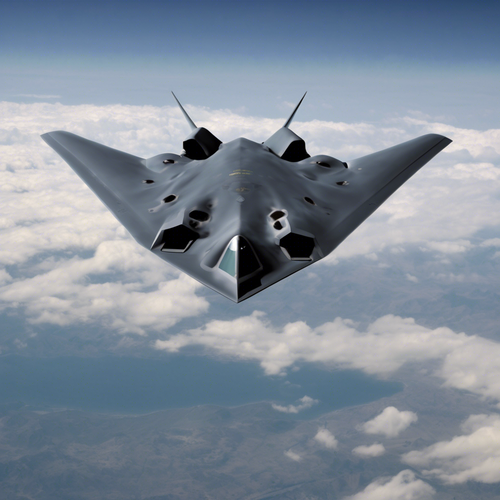
Above the Clouds: B-2 Pilots’ Extraordinary 37-Hour Nonstop Mission to Iran
In the quiet of the night, when most people are fast asleep, the thrill of military aviation takes to the skies. For the elite pilots of the B-2 Spirit stealth bomber, a 37-hour nonstop mission undertaken in the shadow of geopolitical tensions with Iran is both a badge of honor and a test of endurance. This remarkable journey not only showcases the capabilities of one of the world’s most advanced aircraft but also reflects the sheer dedication and resilience of its crew and support teams. ✈️
The Mission Profile
Set against a backdrop of escalating tensions, the mission ventured deep into Iranian airspace—a demonstration of power and precision. The B-2, with its unique design and stealth capabilities, has been dubbed the “flying wing,” capable of evading radar detection while delivering a formidable payload. The plane can maintain altitudes above 50,000 feet, a crucial factor that increases its safety and effectiveness in hostile environments.
According to the United States Air Force, the B-2 has a range of over 6,000 nautical miles without refueling, but for this mission, the aircrew had to bypass the usual fuel strategy to plan and execute a complex route that ensured maximum operational security, with only brief moments of rest. The stakes were as high as the altitude, with intelligence about potential threats altering plans on-the-fly.
Fueling The Flight
Long missions like this rely not just on the aircraft’s capabilities but also on meticulous planning. For this operation, the logistical strategy revolved around a tightly-coordinated series of refueling operations that placed dedicated aerial tankers in critical positions.⛽ Close to a dozen KC-135 Stratotankers were in play, their crews waiting to support the bombers across the vast stretches of ocean and airspace, ensuring these aerial warriors could remain aloft in enemy territory.
“This level of mission planning is paramount,” says Lt. Col. Mark Henderson, a veteran B-2 pilot. “Every minute, every decision impacts the overall success and safety of the team. We prepare for everything, so nothing surprises us.”
Challenges and Triumphs
The challenges faced during such extended missions go beyond mere flying. B-2 pilots often confront fatigue and psychological strain. The cockpit can feel like a cramped cocoon, and the need to remain alert and focused is relentless during the entire duration of the mission.
The aircrew, consisting of two pilots and a navigator, must also take care of their mental and physical well-being. Each took turns sleeping, a tactic employed to combat fatigue, supported by a strict diet and hydration plan to ensure peak performance. The B-2’s on-board systems enhance efficiency and provide them with data-driven insights to adapt to real-time variables, whether weather or enemy movements.
A Personal Toll
Beyond the technical and tactical elements, the personal toll on pilots and crew can be profound. Long hours away from families and the emotional weight of their assignments linger long after they’ve landed back home. “It’s not just about flying a mission; it’s about what we leave behind,” remarks Capt. Sarah Nowak, a B-2 pilot. “We carry the pride of our service alongside the burden of separation from our loved ones, but we trust that our mission contributes to national security.” ❤️
The intensity of the mission reaches a pinnacle upon returning home. The adrenaline fades, and reflections on the flight resonate, echoing the complex realities of military life.
Tactics and Strategy: The Bigger Picture
This mission encapsulates a broader strategic vision in military aviation, highlighting a move toward greater deterrence capabilities. Air Force officials assert that operations such as these strengthen alliances and enable a clearer understanding of U.S. military capabilities globally.
In addition, the inherent technological advancements within the B-2 program serve as both a protective shield and a deterrent against potential adversaries. The lessons learned from these flights continually refine U.S. military strategies and operational tactics, an unending cycle of improvement in a landscape fraught with unpredictability. 🌍
The Future of the B-2
As the B-2 Spirit continues its legacy, the mission’s success underscores the need for investments in next-generation technologies. The arrival of newer aircraft like the B-21 Raider may soon influence future missions while building on the revered foundation laid by the B-2. Yet, the spirit and camaraderie of the crews remain a vital part of any successful mission, showcasing the indomitable human element within advanced military operations.
As military strategy unfolds and technological innovation continues to re-shape air warfare, it’s clear the journey taken by these B-2 pilots—37 hours into hostile skies and back—will resonate throughout history as a compelling expression of courage, resilience, and unfaltering commitment to the mission at hand. 🚀