



The Morning Halloween Season Is Here. Bring on the Horror! 🎃👻
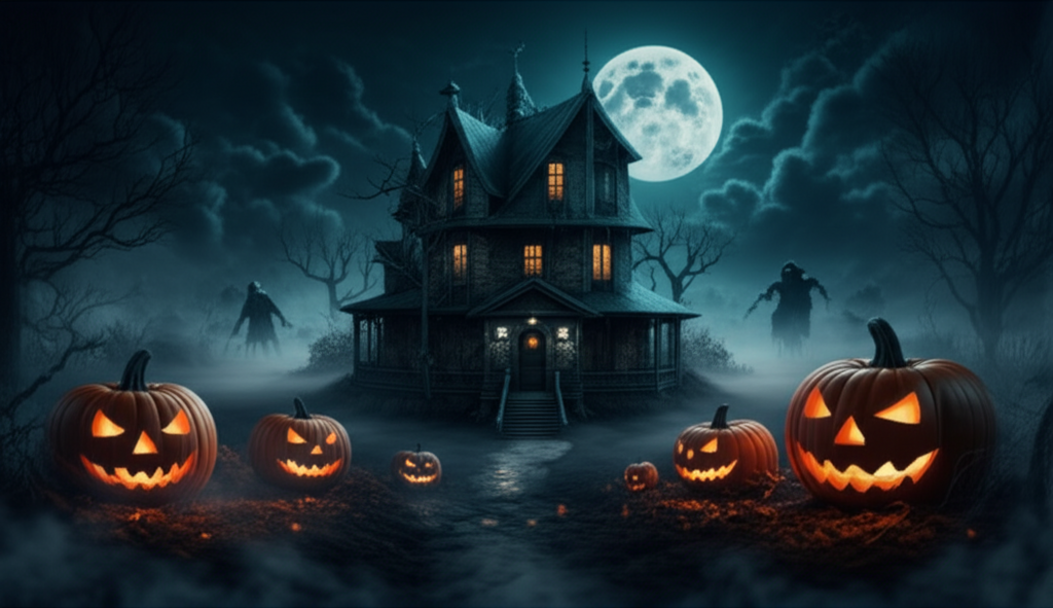
As the sultry days of summer give way to the crisp, cool embrace of autumn, a peculiar transformation occurs. The air thickens with a sense of impending doom, and suddenly, the sounds of laughter are replaced by spine-chilling screams. Yes, folks, the Halloween season is upon us, and with it comes a veritable cornucopia of horror films, flooding our screens like ghosts in the night. But why, amid the cacophony of cinematic options, do scary movies reign supreme? Are we at the mercy of a culture increasingly enamored with fear, or is there something deeper at play?
Unmasking the Fear: Cultural Context and the Popularity of Horror 🎬
In a world where anxiety pulses like a low hum, enveloping everything from global pandemics to economic uncertainty, it’s not entirely ironic, is it, that audiences gravitate toward horror? With the finesse of a well-timed jump scare, horror films allow us to confront our fears within a controlled environment. It’s as if we’re rehearsing for the final act of existence, flipping through a catalog of nightmares as we munch on popcorn.
During this Halloween season, the gruesome imagery marketed in trailers often appears as harmless as a curtain of cobwebs. Yet, beneath this tart exterior lies something much more complex. Striking antithesis marks the genre’s evolution: where horror once served primarily to entertain, it now invites introspection, navigating the treacherous waters of our psyche. Consider the cult classics versus the hyper-realistic horrors; from A Nightmare on Elm Street to the psychologically gripping Hereditary, the genre’s breadth elicits a visceral response akin to walking a tightrope over a bottomless pit.
What’s Fueling This Surge? 📈
- Nostalgia with a Twist: Many top-grossing horror films tap into the familiar and the nostalgic, rekindling the essence of our childhood fears while weaving contemporary social commentary into their plotlines.
- Thrill of Fear: There’s a thrill that accompanies terror—watching horror films releases endorphins, creating a rush akin to riding a roller coaster. Isn’t it curious that we pay to be frightened when we could merely stay home and binge-watch sitcoms?
- Community Experience: Scary films foster a communal experience akin to gathering around a campfire; audiences bond over shared frights, creating a unique camaraderie that is both intoxicating and exhilarating.
- Exploration of the Unsaid: Horror cleverly exposes societal fears we often prefer to ignore—be it the malignant rise of authoritarianism or the psychological strains of modern life, it beckons us to confront our collective anxieties.
The Audience’s Dark Desires: Why Scary Movies Work 🧠
Perhaps the most intriguing aspect of the current renaissance in horror is its uncanny ability to serve as a mirror of human emotion. Watching these terrifying tales unfold is, paradoxically, a means of liberation; it’s psychology wrapped in attractive gore. Just as our attempts to compartmentalize our real-life fears can lead to a festering sense of unease, horror films allow us the cathartic release of confronting those fears directly.
With each suspenseful moment, the viewer experiences a unique blend of adrenaline and dread, offering a thrill that can be both intoxicating and liberating. Think of it: we willingly strap ourselves into a rollercoaster of emotions, gripped as tightly as a child clutching a beloved teddy bear during a scary story. The draws of horror are as diverse as the colors of autumn leaves—the catharsis, the thrill, the nostalgia. And ultimately, it raises an intriguing question: do we crave horror because of our fears or in spite of them?
The Figures Speak: Financial Success of Horror Films 💰
The numbers don’t lie. As the record-breaking success of recent horror films like It and Get Out suggest, audiences are not merely tuning in; they’re immersing themselves in cinematic experiences that buttress their fondness for fear. This season has been no different, with box office figures showing that horror films consistently outperform other genres. For every grandiose blockbuster, there are ample indie horror films that defy expectations and manage to carve their niche in the landscape of fear.
What Lies Ahead? 👁️
As we delve deeper into the Halloween season, one must ponder what the future holds for the horror genre. Will it continue to evolve and interlace with social issues more profoundly? Will fear inspire new narratives that reflect our contemporary dilemmas? Or should we brace ourselves for a wave of recycled tales, haunting the screens like restless spirits? 🎭
Regardless of the answers, one thing is clear: horror movies are thriving, a true testament to our insatiable appetite for the macabre. As we gather our loved ones and prepare to engage with fear—whether through the lens of horror, psychological thrillers, or even dark comedies—let us embrace these haunting narratives for what they are: an exploration of our innermost fears and desires, a celebration of the darker sides of the human experience that, well, simply must be acknowledged.