



After the Blast: Navigating the Turbulent Path to Recovery
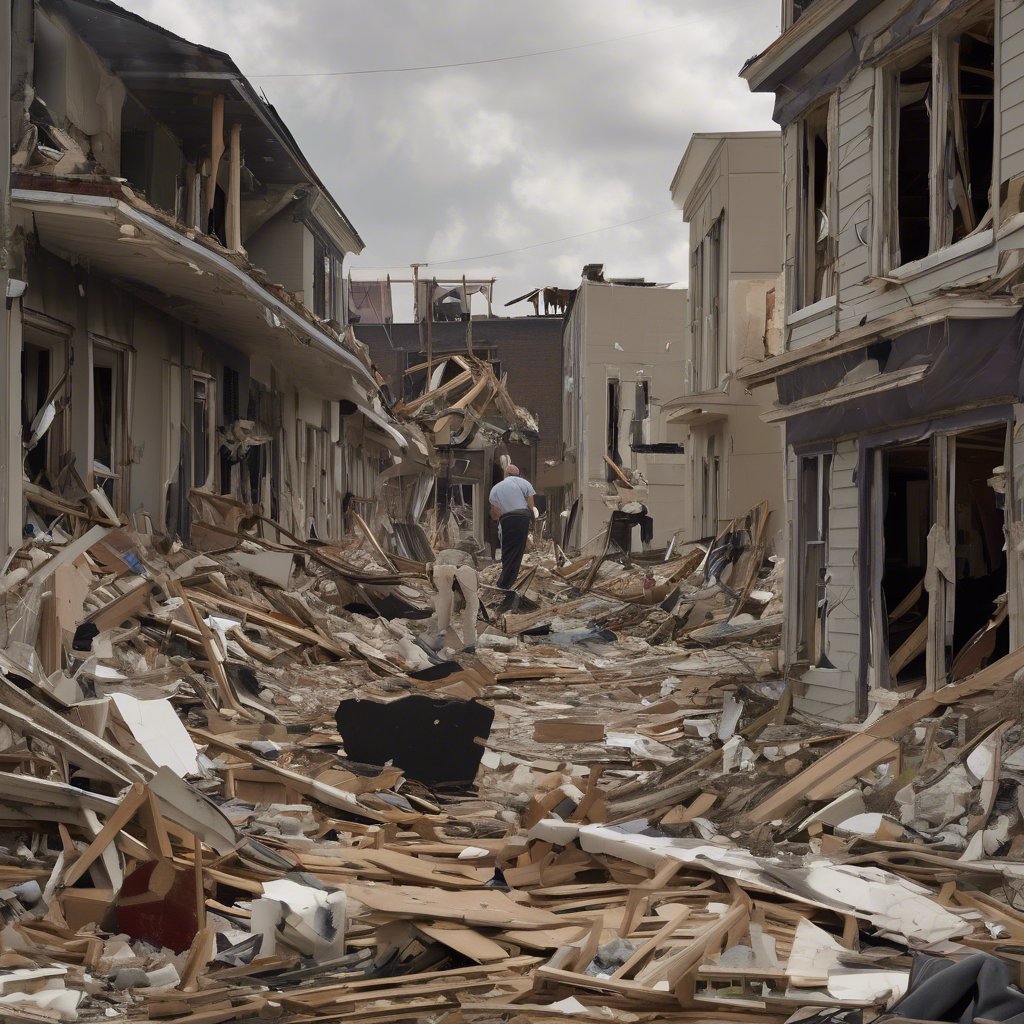
For communities shaken by the seismic shock of an explosion, the road to recovery stretches beyond the physical destruction. The lingering effects ripple through the fabric of everyday life, leaving emotional scars and prompting urgent discussions about public safety. What happens after the blast is often as critical as the event itself, revealing stories of resilience, rebuilding, and a reevaluation of safety protocols.
The Immediate Aftermath: Shock and Response
In the chaos following an explosion, first responders become the frontline figures, navigating debris and crisis. Their swift actions can mean the difference between life and death. According to the National Fire Protection Association (NFPA), approximately 335,000 incidents involving fires and explosions are reported annually in the United States alone. The immediate emotional aftermath can be overwhelming for survivors, often leading to what’s termed as “blast trauma.” 🩺
Community Resilience: A Collective Journey 🌍
Communities worldwide have faced such tragedies, but many have emerged stronger through collective spirit and unified goal-setting. Trust-building begins with transparent communication from city officials and recovery organizations. Here’s how communities can come together:
- Open Forums: Hosting community meetings to allow residents to voice concerns and ask questions fosters transparency and rebuilds trust.
- Support Networks: Establishing local support groups encourages sharing experiences and coping strategies among individuals affected by the blast.
- Collaborative Recovery Plans: Involving residents in recovery strategies reinforces the sense of ownership and collaboration, essential for long-term resilience. 🤝
“After every blast, it’s the community spirit that holds us together,” says Dr. Elena Perez, a psychologist specializing in trauma recovery. “Resilience is not just about rebuilding; it’s about reliving and healing as a collective.”
The Human Toll: Addressing Emotional Trauma 💔
The psychological impact of experiencing an explosion can reverberate long after physical damage is repaired. Symptoms of post-traumatic stress disorder (PTSD), anxiety, and depression may manifest in the months following the incident. Studies suggest that up to 20% of individuals exposed to trauma can develop PTSD, prompting the need for professional help.
Signs to Watch For:
- Persistent flashbacks or nightmares
- Heightened anxiety or panic attacks
- Withdrawal from social interactions
- Feelings of hopelessness or despair
Community health initiatives should prioritize mental health resources, making access to therapy and counseling freely available to those affected. Encouraging creative expression through art or writing can also aid in processing emotions. 🎨
Policy Perspectives: Revisiting Public Safety 🚨
In the wake of devastation, government officials often face pressure to enact immediate policy changes to prevent future incidents. Lessons learned from each event can lead to more stringent safety measures, zoning laws, or emergency protocols. A pivotal moment came following the 2013 Boston Marathon bombing, leading to enhancements in event security and emergency response reviews across the nation.
Community advocates stress the need for:
- Comprehensive Risk Assessments: Evaluating areas at risk for similar incidents and creating proactive safety plans.
- Increased Funding for First Responders: Ensuring that local agencies have the resources needed to effectively manage crises.
- Public Awareness Campaigns: Educating citizens on emergency preparedness through drills and informational resources to promote safety in their environment.
Long-Term Recovery: Rebuilding Lives and Infrastructure
As the physical landscape begins to return to normal, the emotional recovery remains a prolonged journey for many. Investments in mental health services, community facilities, and support systems are crucial to foster a sense of healing. Governmental support for infrastructure rebuilding can also help revive local economies strained by disaster. 💼
Reconstructing Community Bonds: Initiating public events such as memorials or community projects not only honors those impacted but also serves as a testament to resilience, reminding us that recovery takes time and collective effort.
A Future Reimagined
The aftermath of a blast can be rife with challenges, yet it offers golden opportunities for renewal and community solidarity. Learning from the past enables societies to build safer environments while enhancing mental wellness support. As communities rise from remnants, collective resilience highlights the indomitable human spirit, reminding us that healing is a journey undertaken together. 🌈