




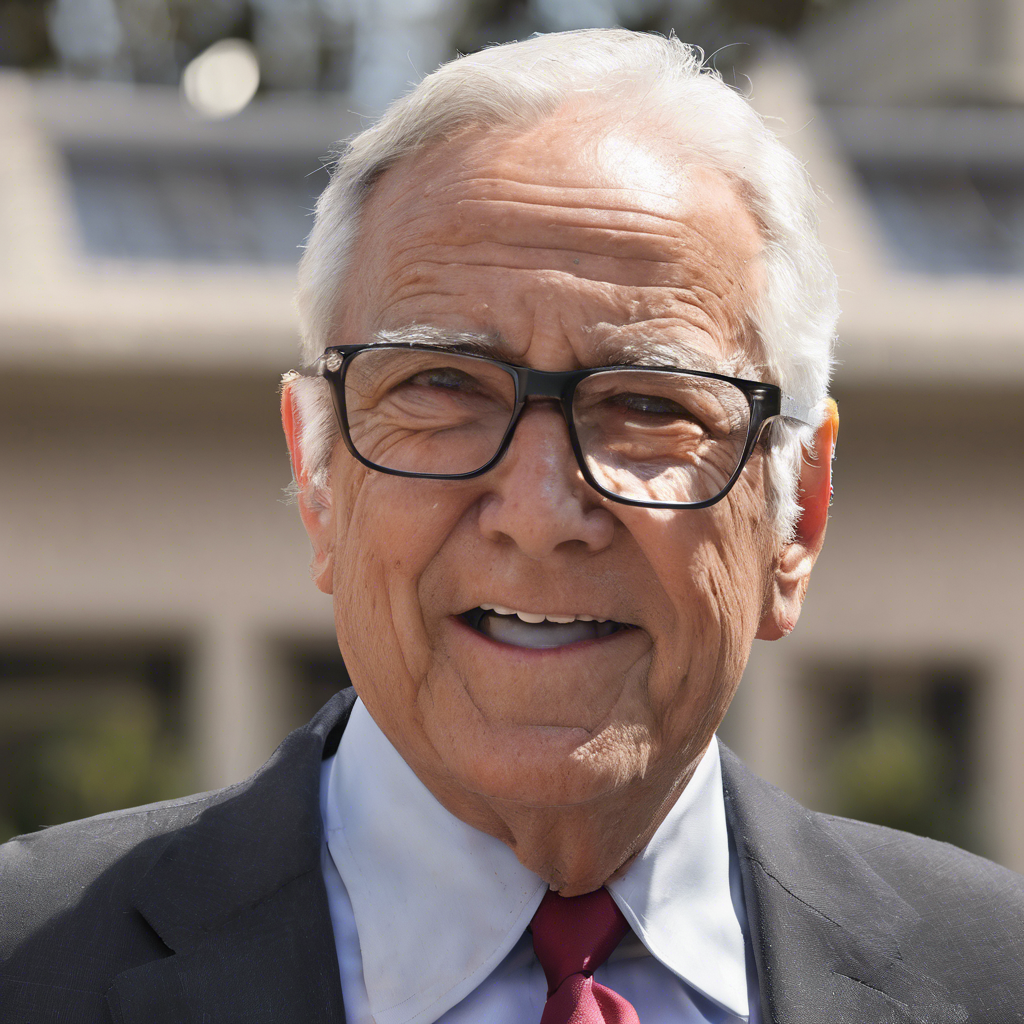
Are Politicians Too Old? California Democrats Consider Age Limits
A simmering debate within California’s Democratic party has ignited a broader conversation: are some politicians simply too old to govern effectively? A proposal to explore age limits for elected officials has sparked controversy, raising complex questions about experience, representation, and the potential for ageism. While no specific legislation has been drafted, the mere discussion highlights growing concerns about the aging leadership in American politics. 👴👵
Proponents of age limits argue that cognitive decline, a natural part of aging, can impair judgment and decision-making abilities crucial for effective leadership. They point to instances of politicians exhibiting memory lapses or struggling to articulate complex policy issues as evidence of this potential risk. Furthermore, they contend that younger generations are underrepresented in government, leading to policies that fail to address their needs and priorities. 👶
“It’s not about ageism,” argues one California Democrat, “it’s about ensuring our leaders are at their best, mentally and physically, to handle the demands of the job. We need fresh perspectives and new ideas to tackle the challenges of the 21st century.” 🤔
However, opponents of age caps warn against dismissing the value of experience and institutional knowledge that older politicians bring to the table. They argue that imposing arbitrary limits could lead to the loss of valuable expertise and undermine the democratic process by restricting voter choice. 🤝 Moreover, they raise concerns about the potential for age discrimination and the difficulty of determining a fair and objective age limit.
“Age is not the sole determinant of competence,” counters a veteran state senator. “Some of our most effective leaders have been individuals with decades of experience, possessing a deep understanding of the issues and the ability to navigate complex political landscapes. Arbitrary age limits would be a disservice to both them and the constituents they serve.” ⚖️
Data on the correlation between age and cognitive decline in political leadership is limited and complex. While studies have shown declines in certain cognitive functions with age, other factors, such as overall health, lifestyle, and individual variation, play significant roles. Furthermore, there’s no consensus on which cognitive abilities are most critical for effective governance. More research is needed to fully understand the impact of age on political performance. 📊
The debate in California mirrors similar discussions happening across the country and internationally. Some countries have already implemented age limits for certain political positions, while others have rejected such measures. As the population ages and life expectancy increases, the question of age limits in politics is likely to become even more prominent in the coming years. The challenge lies in finding a balance between ensuring competent leadership and respecting the right of individuals to participate in the political process, regardless of age. This delicate balancing act requires thoughtful consideration and open dialogue, moving beyond simplistic arguments and embracing the complexities of the issue. 💡