



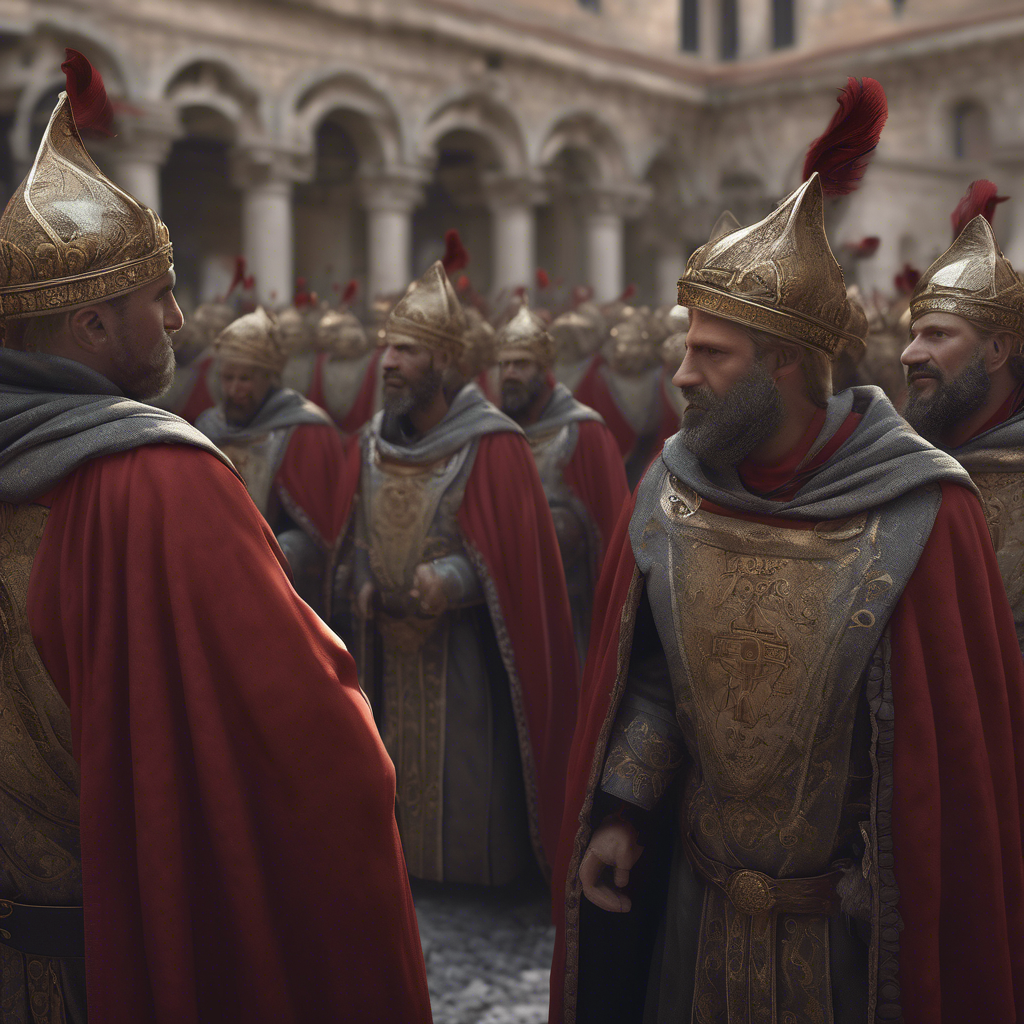
A Conclave Primer: Unveiling the Secrets of Papal Elections
In the heart of Vatican City, shrouded in centuries of tradition and secrecy, a unique event unfolds with profound implications for over a billion Catholics worldwide: the papal conclave. 🕊️ This intricate process, where cardinals gather to elect a new pope, is steeped in history, marked by rituals that engage both the faithful and the curious alike. But what really happens behind the closed doors of the Sistine Chapel? Understanding the conclave is essential for grasping the dynamics of leadership within the Roman Catholic Church.
The Historical Context of Conclaves
The term “conclave” originates from the Latin phrase “cum clavi,” meaning “with a key,” a nod to the locked doors that prevent outside interference during the election. The tradition of papal elections dates back to the early church, but the conclave as we know it began formally in the 13th century to address problems including external pressure and disarray in papal elections.
Before the 1917 Code of Canon Law, the conclave could last months, sometimes resulting in significant political manipulation by local powers. The current rules stipulate that cardinals must live in strict isolation and can only communicate through designated means, reinforcing the secrecy surrounding their discussions and decisions. 🗝️
Inside the Conclave: A Step-by-Step Process
Understanding the mechanics of the conclave requires familiarity with its phases, from initial discussions to the final vote:
- Preparation: Once the papacy becomes vacant, the College of Cardinals convenes, and preparations begin for the conclave. This includes determining logistics, as only cardinals under the age of 80 are eligible to participate. As of August 2021, there are around 120 cardinal electors eligible for the conclave. 🏛️
- The Opening Mass: The first event is a solemn Mass, during which cardinals pray for divine guidance in their decisions.
- Voting Process: The election occurs via secret ballot, with each cardinal writing the name of their preferred candidate. A minimum of two-thirds majority is required for a candidate to be elected.
- The Smoke Signals: After each round of voting, the ballots are burned. Black smoke indicates no pope has been elected, while white smoke signifies a successful election, often accompanied by the ringing of the Vatican bells to announce the news to the world. 🔔
Challenges and Political Dynamics
The conclave is rarely devoid of political undercurrents. Cardinals often have varying perspectives based on their geographic origins, theological leanings, and prior church experiences. The landscape reshapes considerably with issues such as:
- Modernization vs. Tradition: There is a tug-of-war between the desire for a more progressive church to address contemporary social issues and the traditionalist faction that advocates for established doctrine.
- Global Representation: Cardinal electors come from diverse cultural backgrounds, leading to potential divisions based on regional priorities, particularly regarding social issues relevant to their constituents.
The Role of the Papal Election in the Modern Church
The election of a new pope carries monumental significance for the Catholic Church and influences global religious discourse. As seen in past conclaves, the responsibilities of the new pope extend beyond spiritual leadership.
“The pope is not only a spiritual leader but also a global figure whose actions can impact social justice, politics, and interfaith relations worldwide,” remarks Dr. Lydia Rinaldi, a scholar of church history.
Secrecy and Speculation
As the conclave progresses, public speculation swells about potential candidates and predicted outcomes. Media outlets scramble to break news, while historical precedents, such as the swift elevation of Francis I in 2013, fuel the intrigue surrounding the process. What remains constant, however, is the commitment to a confidential, prayer-driven atmosphere where personal ambition is eclipsed by a collective search for divine guidance. 🔍
Conclusion: The Weight of Tradition and Future Prospects
The conclave embodies the rich tapestry of Catholic tradition, steeping its proceedings in reverence and solemnity. It serves as a reminder of the enduring complexities of church governance and the profound impact of leadership choices on the global stage. As the Church navigates contemporary challenges, the conclave remains not just a ritual but a pivotal mechanism for renewal in faith and direction, influencing future generations for years to come. 🙏