




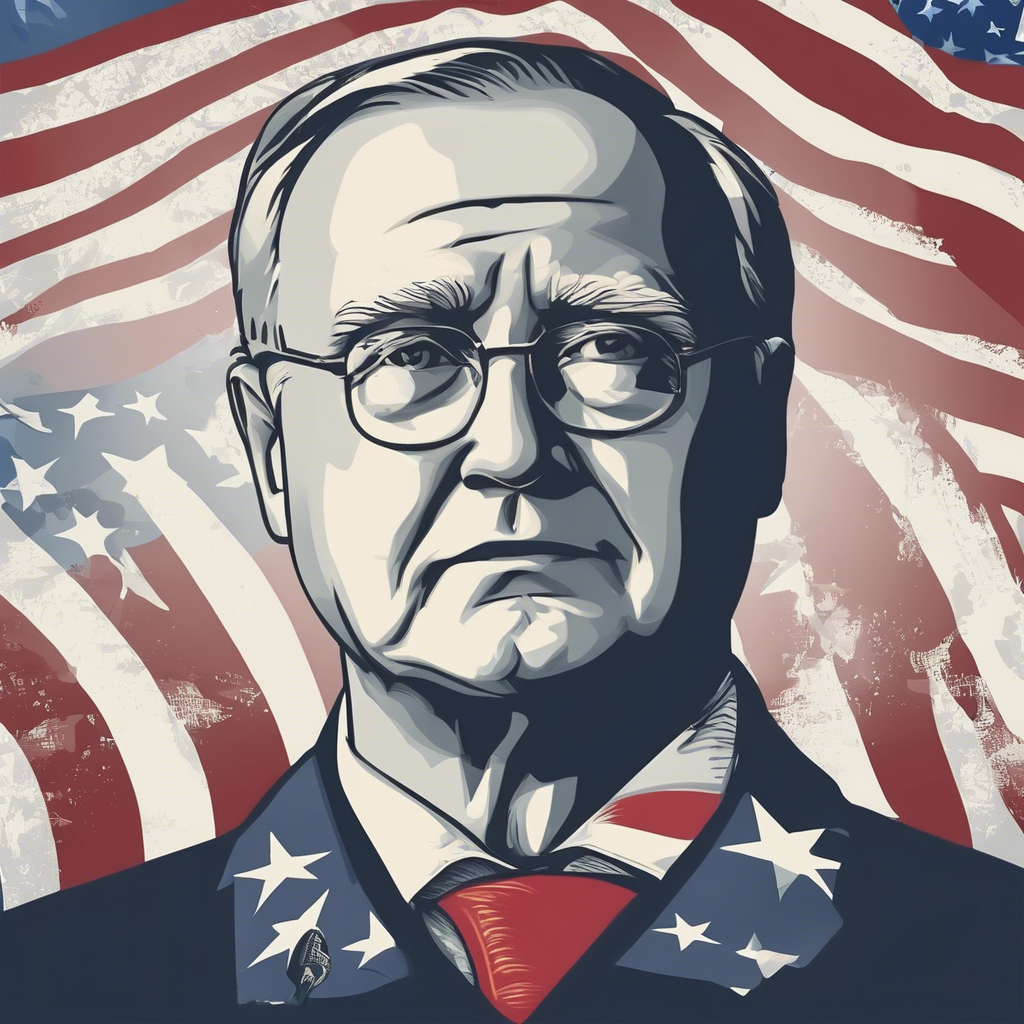
Pepe Mujica: The Former Uruguayan President Who Removed the Pomp from Politics
In an age where political leaders often wear their power like a bespoke suit, Pepe Mujica stands as a strikingly humble figure. His presidency from 2010 to 2015 was characterized less by the extravagant ceremonies typical of high office, and more by a simple, grounded ethos that resonated deeply with the values of ordinary citizens. From living in a modest farmhouse to driving a decades-old Volkswagen, Mujica reshaped the narrative of leadership in Uruguay and beyond. 🌍✨
The Man Behind the Office
Mujica’s journey from a guerrilla fighter to a democratically elected president is a testament to a life lived with integrity and purpose. Born in 1935 to a poor rural family, Mujica’s early years were marked by hardship, but they also shaped his unwavering commitment to social justice. He was imprisoned for 13 years during the military dictatorship, an experience that fueled his passion for democracy and equity.
As president, he opted for a pay of just 10% of the presidential salary, donating the remainder to charity. His humble lifestyle contrasted sharply with the norms of political leaders around the world, garnering respect and admiration not just in Uruguay, but globally. 💖
Political Philosophy: A Breath of Fresh Air
Mujica’s political philosophy was rooted in the belief that leaders should prioritize the welfare of their citizens above all else. He challenged the status quo, often stating that politics should not be a game played with “pomp and luxury.” This starkly different approach appealed to many, especially in a world weary of scandals and elitism in politics.
“The most important thing is to be happy. Happiness is not just a right; it’s a duty.”
Concrete Achievements: Policies for the People
During his presidency, Mujica implemented a series of groundbreaking reforms that underscored his commitment to social equity. One of his most notable achievements was the legalization of same-sex marriage in 2013, making Uruguay one of the first countries in Latin America to do so. This was seen as a monumental step forward for LGBTQ rights in a region where such issues are frequently contentious. 🏳️🌈
Additionally, Mujica pioneered progressive drug policies that included the legalization of cannabis, aimed at reducing drug trafficking and its related violence—a controversial move that sparked debates across the globe. Under his leadership, social spending increased, focusing on education and health care, which positively impacted millions of Uruguayans.
A Global Influence: More Than Just a Leader
Mujica’s influence extended beyond domestic policies. Known for his eloquent speeches at noteworthy international platforms such as the United Nations, he became a voice for the marginalized. His poignant addresses often tackled issues like climate change, migration, and global inequality, resonating with many activists and movements worldwide. 🌍
Critically, Mujica emphasized authentic leadership and encouraged a new generation of leaders to prioritize the collective good over personal gain. His philosophy stands in stark contrast to the all-too-common practices of populism and self-enrichment seen in many nations today.
Legacy: A Return to Authenticity
Since leaving office, Mujica remains a revered figure not just in Uruguay, but across the globe. His enduring message is that true leadership requires humility, compassion, and a deep-rooted commitment to serving the people. Amid modern political spectacles, his presidency serves as a clarion call for authenticity in leadership.
“In the end, we are all earthworms, simply trying to do our best in the soil.”
Pepe Mujica’s legacy is one of a leader who stripped away the layers of elitism often marred in politics, opting instead for a style that reflects genuine connection with the populace. His life and presidency remind us all that the very essence of leadership should lie not in power or luxury, but in service and empathy. 💫