



Reframing the Conversation: A New Story About Dementia
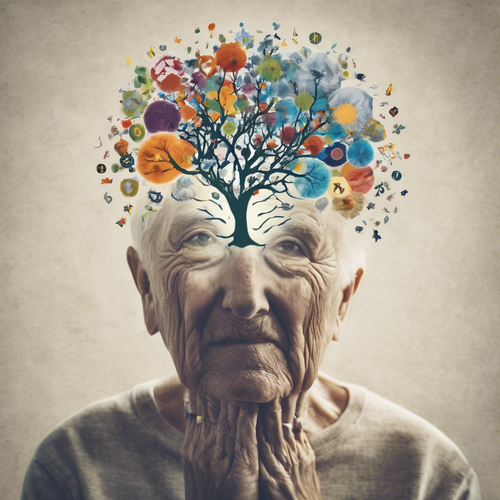
Dementia has long been shrouded in stigma, often viewed merely as a relentless thief stripping away memories and identities. But a transformative narrative is emerging—one that embraces resilience, proactive engagement, and the potential for cognitive health. As research progresses and societal attitudes evolve, we find ourselves at a pivotal moment in rethinking how we approach dementia, not only as a diagnosis but as an aspect of the human experience that deserves a deeper understanding. 🌟
The Shift in Attitudes Towards Dementia
Once relegated to the shadows of healthcare discussions, dementia is now being recognized as a critical area of interest. According to the World Health Organization, approximately 55 million people worldwide live with dementia, a figure expected to rise to 78 million by 2030. This rising prevalence underscores the importance of shifting narratives and approaches. 🧠
Public sentiment is changing. No longer is dementia merely regarded as a disease; it’s increasingly seen through the lens of empowerment. Advocacy groups have inspired individuals and families to share their stories, highlighting the capabilities and passions that persist even amid cognitive decline. Emphasizing a holistic view allows communities to foster support networks that celebrate life and accessible resources. This is a promising sign of progress, making space for conversations that previously went unspoken.
Innovation in Research: Opening New Doors
Recent breakthroughs in neuroscience have unveiled the brain’s remarkable capacity for neuroplasticity—the ability to adapt and reorganize itself. Researchers are discovering how lifestyle changes can mitigate cognitive decline. Engaging in physical activity, maintaining social connections, and pursuing lifelong learning are all strategies proving to enhance brain health. 🏋️♂️📚
A significant study conducted by the Global Council on Brain Health found that regular exercise can reduce the risk of cognitive impairment by up to 30%. Additionally, participants in cognitive training exercises demonstrated improved memory and problem-solving skills. These findings underscore the narrative shift toward viewing dementia prevention as a collective responsibility—an opportunity for both individuals and communities to foster brain health. 🌍
Strategies for Enhancing Cognitive Health
Proactive Steps Individuals Can Take:
- Engagement in Physical Activity: Aim for at least 150 minutes of moderate exercise each week, incorporating both aerobic and strength training.
- Dietary Choices: Embrace a Mediterranean-style diet rich in fruits, vegetables, whole grains, and healthy fats to support cognitive function.
- Social Connections: Stay socially active—join clubs, engage in volunteer opportunities, or participate in community events to combat loneliness.
- Continual Learning: Stimulate your brain with activities that challenge your cognitive abilities, such as puzzles, reading, or learning a new skill. 🧩
Communities Unite: The Role of Support Networks
Support networks are crucial in the fight against dementia. Local communities can play an instrumental role in creating environments that promote cognitive resilience. Initiatives like dementia-friendly community programs are vital in fostering inclusivity—not just for those diagnosed with the condition, but also for caregivers and families navigating the complexities of this journey. 🤝
In many cities, training programs empower community members to better understand dementia, enabling empathy and support. The Dementia-Friendly America initiative, for example, fosters awareness and provides hands-on strategies for supporting individuals living with dementia. This growing movement highlights the strength found in collective efforts, breaking down barriers and creating spaces where everyone feels valued.
Challenging the Narrative: Combatting Stigma
While the emerging narrative surrounding dementia is filled with encouragement, lingering stigma still poses a barrier to progress. Common stereotypes often paint individuals with dementia as helpless; however, this perspective diminishes their agency and potential. Advocating for a reframed narrative can empower those diagnosed to see themselves as part of the solution, highlighting their experiences and contributions to society. 🗣️
Families and advocates must continue to share stories that challenge these misconceptions. Stories of individuals embracing life, pursuing passions, and fostering connections must be amplified. Movies, literature, and social media can provide platforms where these messages are shared, reshaping the narrative around dementia for a more hopeful future.
Moving Forward Together
The story of dementia is being rewritten—not as a tale of despair but as a testament to resilience and community empowerment. The collaborative efforts of researchers, families, and advocates are key to fostering new narratives that support cognitive health. With every conversation and every shared experience, we move closer to promoting understanding, compassion, and hope. 🌈
“The journey through dementia is not solely about loss; it’s also about connection, growth, and the power of community,” remarks Dr. Lisa Tran, a cognitive neuroscientist dedicated to dementia research.
As we embrace this transformative narrative, we challenge ourselves to advocate for a future where individuals living with dementia can thrive—not merely endure. Let’s commit to being part of this positive shift, fostering environments rich in dignity, opportunities, and support. The story of dementia is unfolding, and we are all participants in writing the next chapter. 📖✨