



White House to Start Notifying Countries About Tariffs, Trump Says
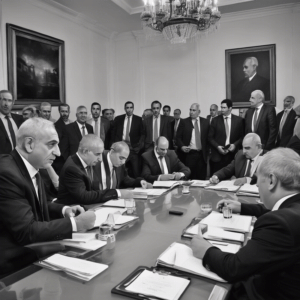
In a move that could redefine global trade dynamics, President Donald Trump announced that the U.S. administration will begin formally notifying countries about impending tariffs on imported goods. This announcement, made during a high-profile economic summit, is poised to send ripples across international markets and may provoke a series of retaliatory measures from affected nations. 🌍
The president framed this initiative as a necessary step to protect American workers and industries, asserting that tariffs could level the playing field in trade negotiations that have long favored foreign competitors. “We can’t keep letting other countries take advantage of us. It’s time we stood firm,” Trump declared, echoing sentiments that have characterized his presidency since day one. 📈
The Mechanics of Tariff Notifications
Tariffs, essentially taxes on imported products, are not a new tool in the economic toolbox. They have often been employed to rectify trade imbalances, support domestic industries, and generate revenue. However, the process of notifying trading partners about such tariffs adds a layer of diplomatic complexity. By formally alerting countries, the U.S. not only adheres to trade agreements but also opens the door for dialogue. It suggests an intention to negotiate, albeit with a hard stance.
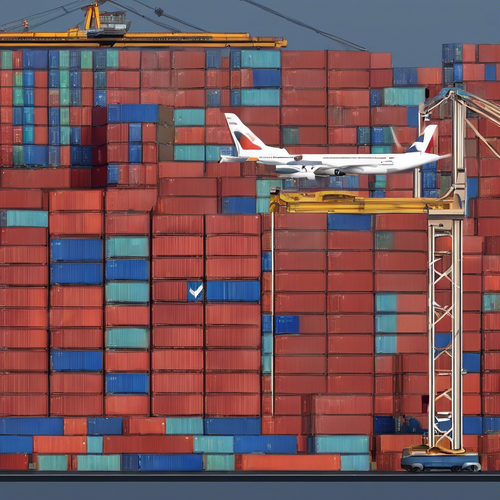
According to recent data from the Office of the United States Trade Representative, U.S. tariffs currently cover approximately $370 billion in goods. The sectors most affected by these tariffs include steel, aluminum, and a wide range of consumer products, from electronics to agricultural imports. 💼
Economic Ramifications: The Ripple Effect
The economic implications of Trump’s notification strategy are significant. Economists predict that such measures could lead to increased costs for American consumers and businesses, as tariffs typically inflate prices on imported goods. A recent study by the National Retail Federation estimated that due to tariffs, the average American family could face an additional annual cost of nearly $1,000, posing a potential risk to consumer spending, a key driver of U.S. economic growth. 💰
“Tariffs are a double-edged sword. While they aim to protect domestic industries, they simultaneously place financial strain on consumers and businesses reliant on imports,” notes Dr. Emily Chen, a trade policy analyst at the Brookings Institution.
International Reactions: A Ticking Time Bomb?
The global response has been one of cautious observation and concerned speculation. Countries affected by the proposed tariffs are ramping up diplomatic efforts to engage U.S. officials and seek exemptions. “We will respond aptly to safeguard our national interests,” stated a spokesperson for the European Union, emphasizing a commitment to protecting European industries that may be at risk. 🔄
Furthermore, markets across Asia, Europe, and Latin America are bracing for volatility. Financial analysts warn that retaliatory tariffs could instigate a trade war, reminiscent of the tit-for-tat measures seen in previous administrations. In this interconnected economy, the actions of one nation can have cascading effects on global supply chains, influencing everything from manufacturing to retail. 🌐
The Path Ahead: Opportunities or Obstacles?
Looking towards the future, the administration’s approach raises numerous questions about the sustainability of these trade measures. While heightened tariffs aim to incentivize production within the U.S., critics argue that without strategic investments in infrastructure and workforce development, such initiatives may falter in the long-term. The Biden administration will inherit the ramifications of these decisions, potentially reshaping America’s trade landscape for years to come.
As countries await their formal notifications, the economic community watches closely, weighing the risks of protectionism against the realities of a globalized market. Will the U.S. stand firm in its tariff policy, or will this mark the beginning of a recalibrated approach to international trade? The stakes couldn’t be higher. ⚖️