




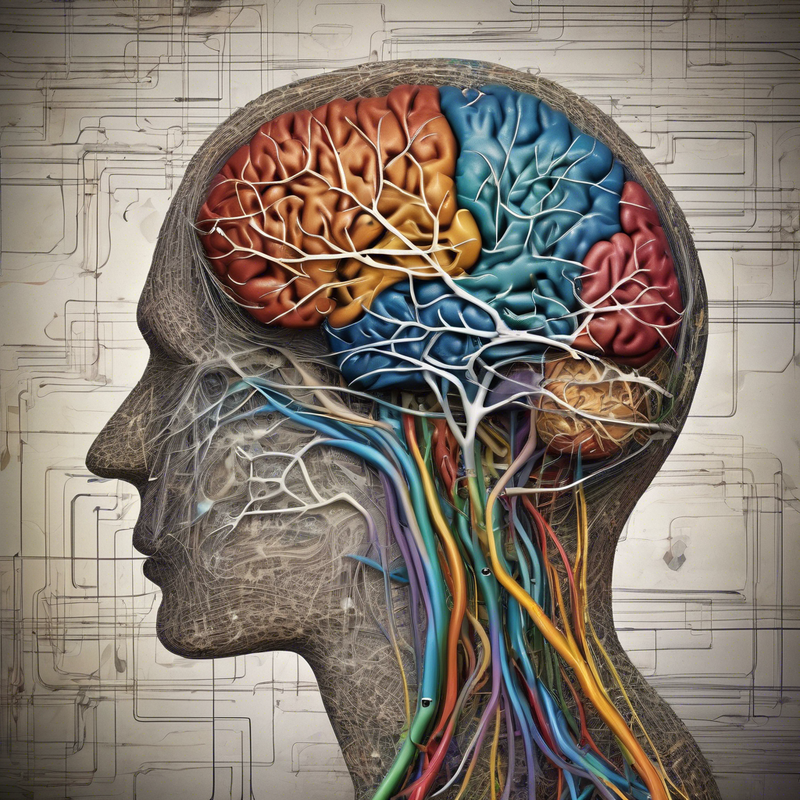
Decisions, Decisions: Unlocking Better Choices with Neuroscience 🧠🤔
In a world where options abound like stars in the night sky, the fanciful notion that we are rational decision-makers seems more an ironical jest than reality. Neuroscience suggests that our brains, those labyrinthine organs encased in bone, are not the logical calculators we pride ourselves on being. Instead, they’re emotional roller coasters, swaying us toward choices as whimsically as a leaf dancing in the wind. But how do we harness this complicated emotional intelligence to empower better decision-making? 🌪️
The Brain’s Intricate Dance of Choice
Have you ever flipped a coin to make a choice, only to realize that your heart had already made its preference known? This curious scenario underscores the striking contrast between our rational minds and emotional pulses. Neuroscience shows us that two systems shape our decisions: the fast, instinctive brain (System 1) and the slow, deliberative brain (System 2). ⚖️
System 1 is reactive, akin to a startled rabbit darting from a predator. Its thinking is quick, often biased by emotion or past experiences. Meanwhile, System 2, that meticulous tortoise, weighs options practically and methodically. The irony, of course, is that while we aspire to be logical, the majority of our choices stem from gut feelings rather than calculated analysis. Why wrestle with numbers if our instincts are ready to leap? 🐰
Emotion: The Unseen Puppet Master
What’s more, emotions act as both compass and anchor in decision-making. Picture steering a ship through tumultuous waters; emotions can either advance toward clearer skies or drag us into stormy seas. Neuroscientific research by Antonio Damasio reveals that emotions provide the very framework for rational choices. When the emotional centers of the brain are affected, decision-making becomes compromised; we become akin to a ship adrift, sans captain or crew. ⛵
Cognitive Biases: The Sneaky Saboteurs
As we navigate our decision-laden lives, we find ourselves tugged by a plethora of cognitive biases—subtle quagmires where logic stumbles. Confirmation bias, anchoring bias, and the availability heuristic are but a few of the specters that haunt our cognitive landscape, leading us to fool ourselves. For example, have you ever clung to a belief despite evidence to the contrary? It’s that stubborn anchor weighing down the ship of reason. ⚓
- Confirmation Bias: The tendency to favor information that confirms our existing beliefs while disregarding contradictory evidence.
- Anchoring Bias: The reliance on the first piece of information encountered, which can skew our judgments of subsequent information.
- Availability Heuristic: Overestimating the importance of information that readily comes to mind, often due to recent exposure.
The Neuroscientific Toolkit for Better Decisions
Given this intricate web of emotion and bias, how can we make better decisions? Neuroscience provides a toolbox filled with strategies, entwining logic with emotional insight. One effective approach is incorporating a pause before acting. Much like a maestro tuning an orchestra before a performance, allowing time for reflection can harmonize our intuition and reason. ⏳
1. Mindfulness: Embracing the Present Moment
Mindfulness practices—such as meditation—have been shown to diminish emotional reactivity, clearing the fog for clearer reasoning. By centering ourselves in the present, we enhance our ability to observe our emotions without being swept away by them. This contemplative practice can grant us the clarity to catch biases before they derail our choices. 🧘
2. The Power of Pros and Cons
To combat cognitive biases, developing a pros and cons list can serve as a logical checking mechanism; it’s like leveling a lopsided table to ensure balance. By forcing ourselves to enumerate arguments for and against our decision, we flush out emotional impulses hiding behind seemingly rational justifications. Plus, who doesn’t feel satisfied checking items off a list? ✔️
3. Seeking Diverse Perspectives
Lastly, don’t shy away from the cacophony of opinions. Consult a friend, a mentor, or even a curious stranger. Engaging with differing viewpoints can unveil blind spots, much like polishing a gem until it sparkles from every angle. Their fresh insights can shed light on decisions shrouded by our biases, empowering a more rounded perspective. 💎
Building a Decision-Making Culture
Neuroscience isn’t merely a tool for individual choices; it can ignite a transformation within organizations. Imagine fostering a workplace that values collective decision-making, embracing diverse voices like a vibrant tapestry, where each thread strengthens the fabric of clarity and innovation. For businesses, understanding the neuroscience behind decisions can yield greater creativity and adaptability in an ever-evolving landscape. 🌈
In the grand scheme of decisions, it seems we’re less like coolly calculating robots, and more like flawed yet resilient humans, florid with emotion and complexity. Perhaps it’s time to embrace the irony that our most human trait—our emotions—can guide us toward better choices when harnessed wisely. So, the next time you stand at a crossroads, consider: will you rely solely on the cold logic of charts and graphs, or will you allow your human heartbeat to resonate in the choices you make? ❤️